Planning an interior repaint for your home is exciting, but the first decision can feel daunting: do I tackle the whole house in one go, or break it into stages? The right answer depends on budget, timeline, and how you live in the space. Here's how to weigh the pros and cons.
Quick comparison: all-at-once vs. room-by-room
| Factor | Paint whole house | Paint room by room |
|---|---|---|
| Project cost per room | Lower (volume discount) | Higher (repeat setup fees) |
| Total upfront spend | High one-time payment | Spread over months |
| Project duration | Shortest overall | Can stretch over months |
| Home disruption | May require short relocation | Minimal — live around zones |
| Design consistency | Maximum color flow | Risk of batch variation |
| Best for | New move-ins, pre-sale refresh | Budget juggling, color testing |
Option 1: painting the whole house at once
Top advantages: a cohesive look as color flows room to room; lower cost per room; less total time with one prep and one cleanup; and an immediate value boost — ideal for new homeowners or sellers who need a move-in-ready feel fast.
Potential drawbacks: a possible short relocation while multiple rooms are under plastic, a higher upfront cost, and more complex logistics around furniture, floors, pets, and kids.
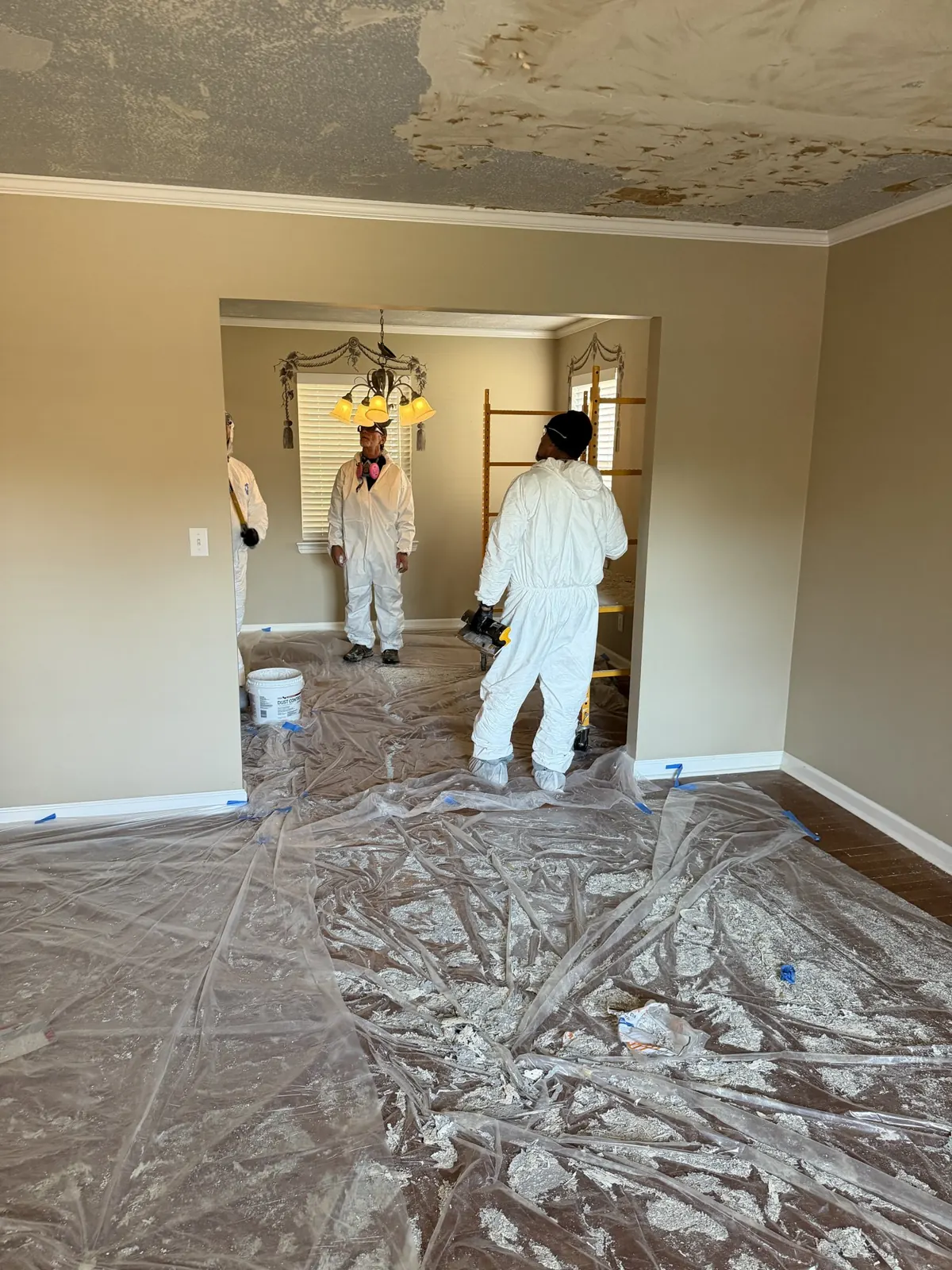
Option 2: painting in stages (room by room)
Key benefits: easier on the wallet (pay as you go), minimal disruption (live in untouched zones), and color flexibility (test shades in your lighting before committing house-wide).
Things to watch: a longer overall calendar, higher cumulative cost from repeat mobilizations, and consistency risks if paint batches or crews change.
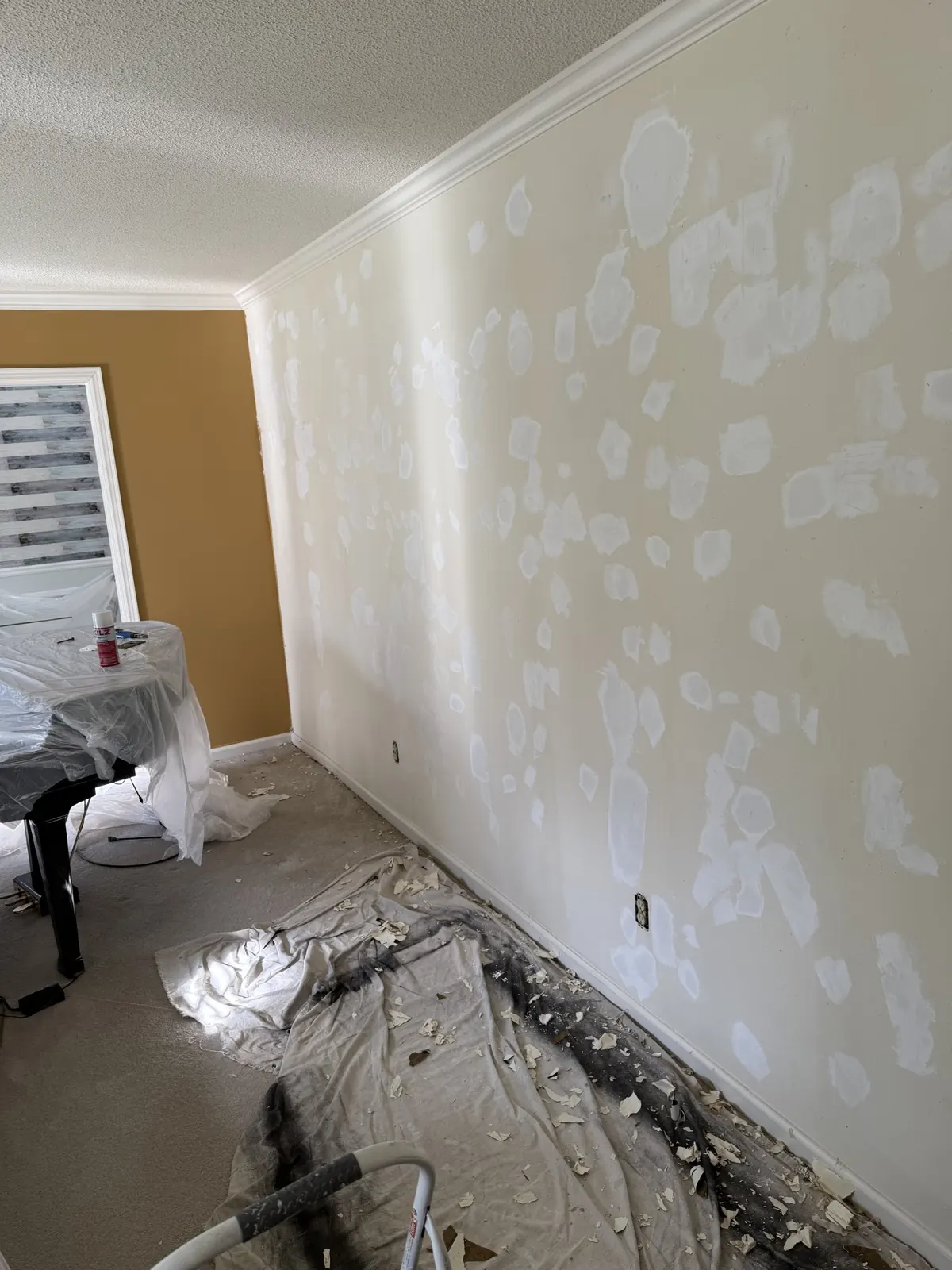
Three questions to help you decide
- Are you moving in, or already living through the renovation?
- Is a single, up-front investment realistic for your budget?
- How important is perfect color flow versus phased updates?
Open floor plans and tall spaces change the math
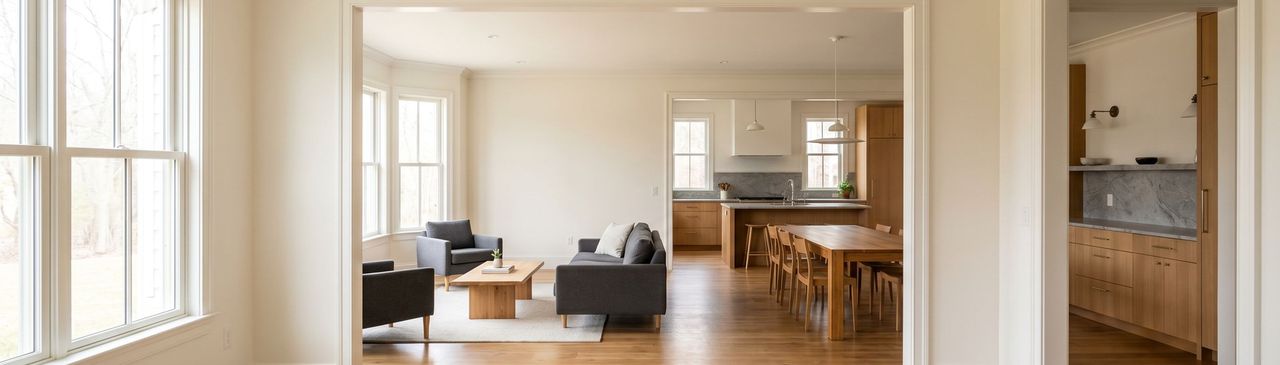
Room by room only works when the rooms actually have edges. In an open plan — a kitchen that flows into the living room, a foyer that opens onto a stair hall — there is no natural line where one day's painting can stop and the next can start. If you paint half of a connected wall now and the rest next year, the difference in sheen and fading shows exactly where the seam is. Connected spaces should be planned as one area, even if the rest of the house is done in stages.
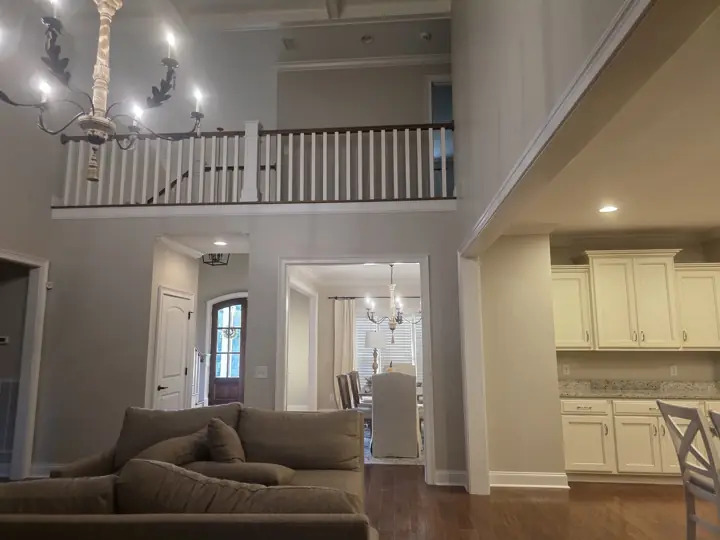
Two-story foyers, stairwells and vaulted living rooms are the other exception. They need tall ladders or a rolling scaffold, extra floor protection and more setup time than a normal bedroom. Doing them together with the rooms around them means that setup happens once instead of every time you come back for another phase.
If you go room by room, plan the order
- Start with the rooms that set the palette. The main living area and the hallway it opens into decide how every other color in the house will look. Get those right first.
- Group rooms that share walls, ceilings or trim lines. A hallway and the bedrooms off it, or a primary bedroom and its bath, are easier to keep consistent in one visit.
- Ceilings before walls, walls before trim. Within each phase the order stays the same, so drips and cut lines land where the next coat covers them.
- Leave the busiest rooms for a calm week. Kitchens and kids' rooms are easiest when the household can work around them for a day or two.
Whatever you decide, keep a written record of every color name, sheen and room. When phase two comes around — or a wall needs a touch-up years later — that list saves guesswork.
What whole-house projects look like in practice
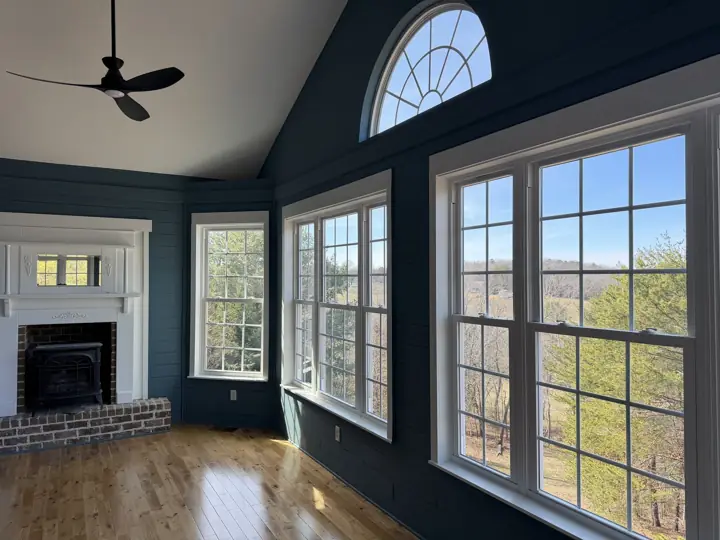
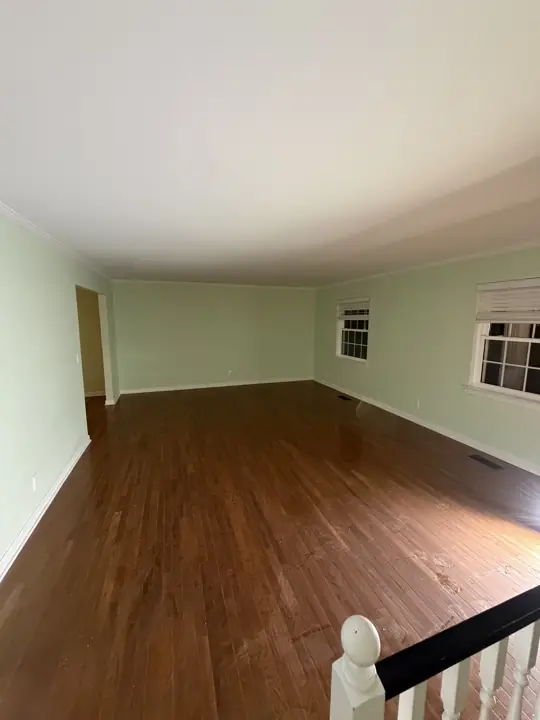
Three recent jobs from our project gallery, each painted in one continuous project: